When you’re deciding on facade materials for a project, the choice often comes down to performance, cost, and how well the material fitsc your design intent. For years, materials like wood, stone, plaster, and solid aluminum sheets have been the go-to options. But today, Aluminium Composite Panels (ACP) are becoming a practical choice across commercial and residential projects in Pakistan.
If you’re an architect, contractor, builder, or dealer, this comparison will help you make better decisions on your next project.
What is ACP and How is it Different
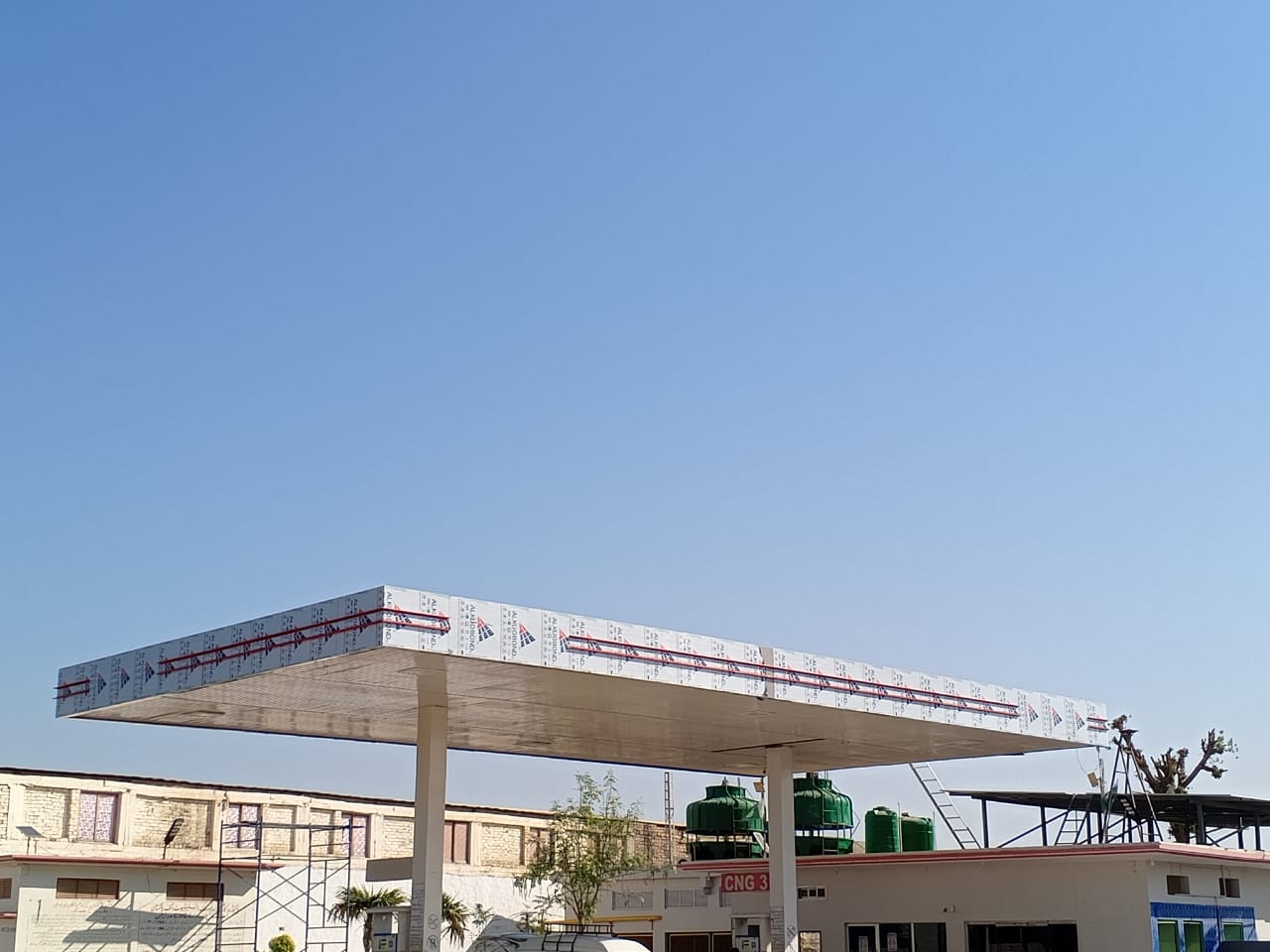
ACP (Aluminium Composite Panel) is a flat panel made by bonding two thin aluminum sheets to a non-aluminum core. The result is a lightweight yet strong sheet that’s widely used for exterior cladding, signage, and interior applications.
Traditional materials, on the other hand, include:
Wood
Stone (marble, granite)
Brick and plaster
Solid aluminum sheets
Each has its place, but they behave very differently when it comes to installation, durability, and long-term maintenance.
Why Architects Are Shifting Toward ACP
Faster Project Execution
ACP sheets are easy to cut, bend, and install. For contractors, this means reduced labor time and quicker project completion.
Pro Tip: On large commercial facades, ACP can reduce installation time by up to 40% compared to stone cladding.
Consistent and Modern Finish
Unlike traditional materials that may vary in texture and finish, ACP provides a uniform look across the entire facade. This is especially important for corporate buildings, malls, and showrooms where consistency matters.
Weather Resistance That Works in Pakistan
In cities like Karachi, where buildings face heat, humidity, and dust, material performance matters.
ACP panels are:
UV-resistant
Moisture-resistant
Less prone to cracking or fading
Traditional materials like wood can warp, and plaster can crack over time under these conditions.
Design Flexibility for Creative Freedom
ACP comes in multiple finishes:
Solid colors
Metallic
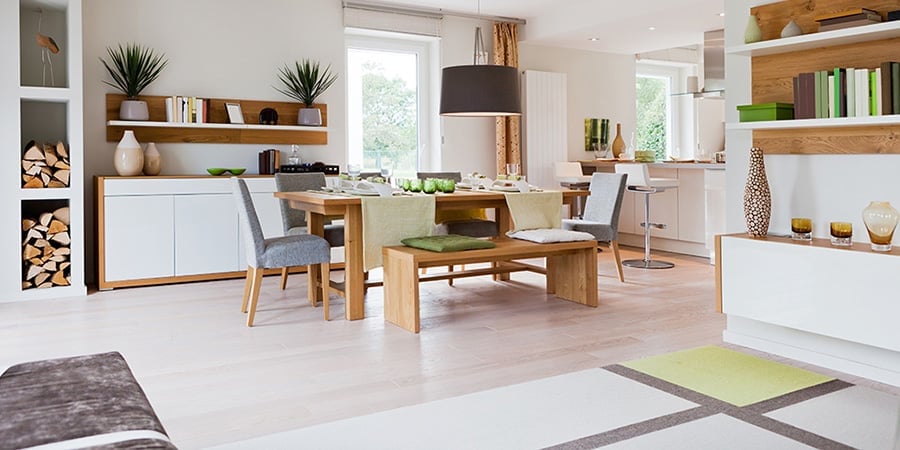
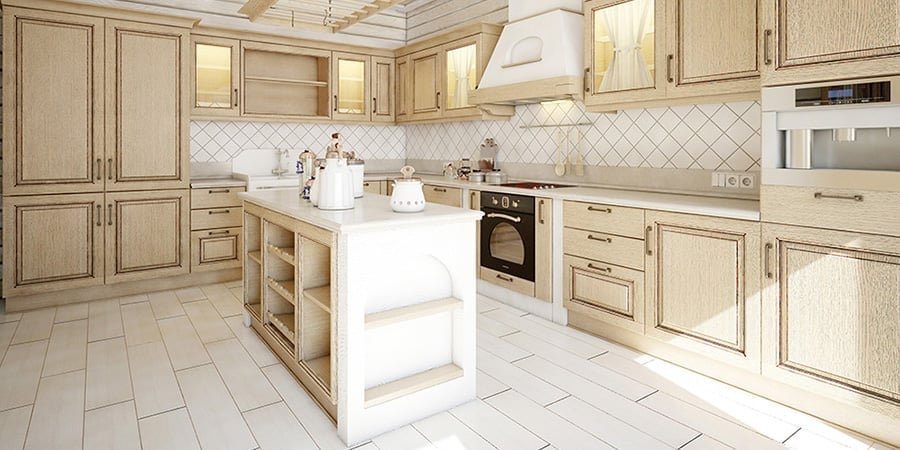
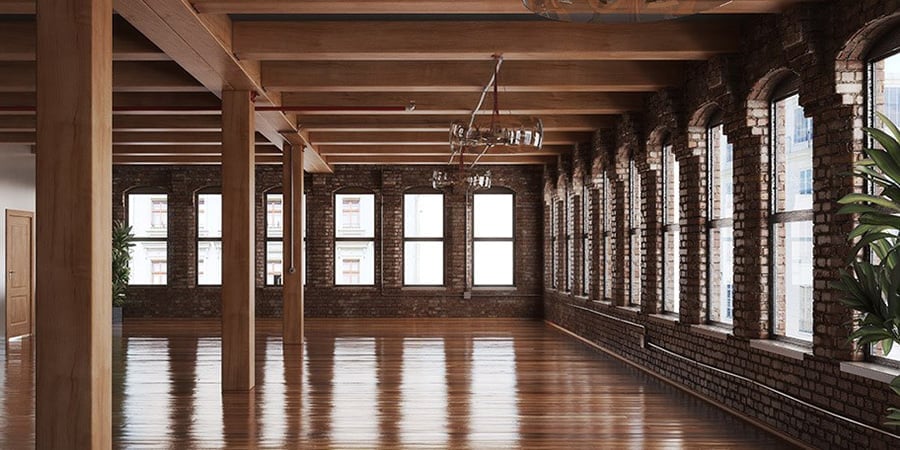
Wooden textures
Marble-like finishes
This allows architects to experiment without the cost and limitations of real wood or stone.
Fact: You can achieve a “wood finish facade” using ACP at a fraction of the cost and with far less maintenance.
Cost Perspective That Businesses Care About
For developers and contractors, cost isn’t just about material price, it’s about lifecycle cost.
With ACP:
Lower labor cost
Faster installation
Minimal maintenance
With Traditional Materials:
Higher installation time
Regular maintenance (polishing, repairs)
Potential replacement costs
Pro Tip: When you calculate total cost over 5–10 years, ACP often turns out to be the more economical option for commercial projects.
Common Mistake to Avoid
Many projects fail not because of the material, but because of poor quality supply or incorrect installation.
Low-grade ACP can fade or delaminate
Improper framing can reduce lifespan
Always source from reliable suppliers and ensure proper fabrication standards. And Alkuobond here is the best go-to-option.
Alkuobond and Your Next Project!
At Cedrus Deodar, we work closely with architects, dealers, builders, contractors, and developers to supply Aluminium Composite Panels that meet project requirements without unnecessary complications.